
Wool: The Timeless Choice That Gets Better With Proper Care
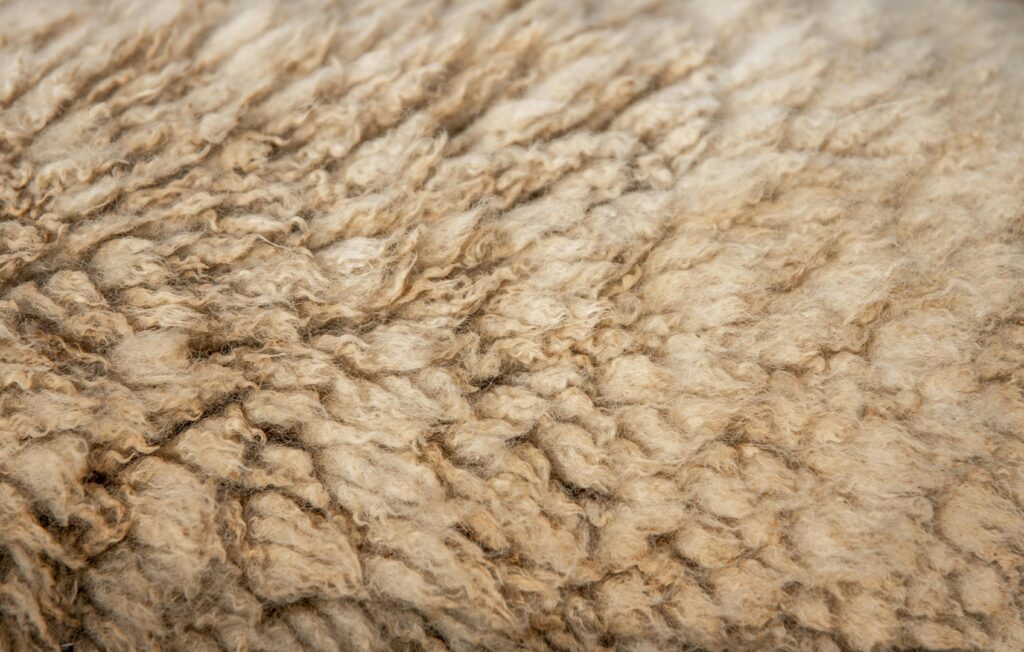
For thousands of years, wool has been the gold standard for home textiles—and there’s a reason it’s never gone out of style. From ancient Persian rugs that still grace museums today to modern Scandinavian throws that define contemporary comfort, wool textiles represent an investment in both beauty and longevity. Yet many homeowners hesitate to choose wool rugs or wool upholstery, worried about maintenance and cost. Here’s why wool deserves serious consideration—and how proper care makes it surprisingly manageable.
A Brief History: Why Wool Conquered Home Décor
Wool’s dominance in home furnishings isn’t accidental. Ancient civilizations quickly discovered that sheep’s fleece possessed unique properties perfect for creating textiles that could withstand daily use while maintaining beauty. Egyptian tombs contained wool textiles over 4,000 years old. Medieval European castles featured wool tapestries that provided both insulation and artistry. Persian and Turkish weavers elevated wool carpet making to an art form that influences design to this day.
What made wool so universally valued? Its natural resilience. Wool fibers can be compressed repeatedly and still bounce back to their original shape—crucial for carpets and upholstery that face constant pressure. The fiber’s natural crimp creates tiny air pockets that provide insulation and cushioning. Most importantly, wool’s protein structure makes it naturally resistant to staining and soiling compared to many synthetic alternatives.
The Modern Case for Wool
Natural Performance That Synthetic Can’t Match
Wool’s natural properties solve many problems that plague other textile choices:
Stain resistance: Wool’s natural lanolin creates a protective barrier that helps repel spills initially, giving you precious extra seconds to respond to accidents.
Odor resistance: Unlike synthetic fibers that can trap odors, wool naturally resists bacterial growth that causes persistent smells—particularly valuable for wool upholstery and area rugs.
Durability: High-quality wool textiles can last decades with proper care. That expensive wool rug isn’t just a purchase—it’s a multi-generational investment.
Natural beauty: Wool accepts dyes beautifully and maintains color richness over time. The fiber’s natural variation creates depth and texture that synthetic materials struggle to replicate.
Environmental Benefits for Conscious Consumers
For those prioritizing natural home textiles, wool checks every box:
- Renewable resource (sheep grow new fleece annually)
- Biodegradable when its useful life ends
- Naturally flame-resistant without chemical treatments
- Excellent insulation properties that can reduce energy costs
Wool Varieties: Understanding Your Options
Wool Rugs and Carpets
Hand-knotted wool rugs represent the premium choice—each knot creates resilience and allows for intricate patterns. Machine-made wool carpets offer wool’s benefits at more accessible price points. Both respond beautifully to proper cleaning and can handle high-traffic areas when quality is good.
Wool Upholstery Fabrics
From wool tweed sofas that define classic style to wool blend cushions that combine natural benefits with modern durability, wool upholstery brings warmth and sophistication to furniture. The key is understanding that wool furniture requires different care than synthetic alternatives—but the results justify the attention.
Wool Throws and Accessories
Wool blankets, cushion covers, and curtains add natural texture while providing practical benefits like temperature regulation and natural stain resistance.
The Maintenance Reality: Easier Than You Think
The biggest wool myth? That it’s impossibly high-maintenance. Reality: wool requires different care, not necessarily more difficult care.
Understanding Wool’s Cleaning Needs
Wool fibers are protein-based, making them sensitive to high heat, harsh alkalis, and aggressive chemicals—the very things found in many household cleaners. But with the right approach, wool textile cleaning becomes straightforward and effective.
Why All-Gone Works Perfectly for Wool
All-Gone was specifically formulated to be safe on natural fiber textiles including wool. The pH-balanced, non-toxic formula cleans effectively without the harsh chemicals that can damage wool’s protein structure or cause felting.
How to Spot Clean Wool Textiles: Your Complete Guide
Step 1: Immediate Response
When spills happen on wool rugs or wool upholstery, time matters but technique matters more. Never rub or scrub—the wool fibers can distort if they are aggressively agitated while wet.
Step 2: Remove Excess Gently
Blot up liquid spills with a clean, dry cloth. For solid spills, gently scrape up excess with a spoon or dull knife. Work from outside edges toward the center to prevent spreading.
Step 3: Apply All-Gone Properly
Critical for wool: Apply All-Gone to your cloth, never directly onto the wool textile. This prevents over-saturation that could cause distorted fibers or water marks.
Step 4: The Gentle Blotting Technique
Using your treated cloth, blot the stain gently from outside edges inward. Don’t rub—let All-Gone’s professional-grade formula do the work with a firm blotting motion. Wool’s natural stain resistance means properly treated spills often lift out completely.
Step 5: Proper Drying
Allow the treated area to air dry completely. Don’t use heat to dry the area faster. This can damage wool fibers. Good ventilation helps prevent any moisture from becoming trapped in the dense fibers so turn on a fan or open a window.
Step 6: Assess and Repeat if Needed
Once fully dry, assess in good lighting. Stubborn stains on wool might need a second gentle treatment. With wool, patience and repeated gentle treatments work better than aggressive single attempts.
Special Considerations for Different Wool Items
Wool Rugs and Carpets
High-traffic wool rugs benefit from professional cleaning every 12-18 months, but All-Gone handles daily spills and accidents perfectly. The key is treating stains as quickly as possible before they have time to penetrate deeply into the pile.
Wool Upholstery
Wool furniture fabrics often have specific care codes. Make sure you know the fiber content of your fabric – is it 100% wool or a blend? Always test All-Gone in an inconspicuous area first. Most wool upholstery and blends respond beautifully to proper spot cleaning, maintaining its appearance for decades.
Delicate or Vintage Wool
Antique wool textiles or very fine wool items might require professional assessment before any cleaning. When in doubt, consult a textile specialist. Feel free to email us as well at info@buyallgone.com. We’re happy to help you.
The Long-Term Wool Investment
Caring for wool textiles properly doesn’t just maintain their appearance—it protects your investment. That hand-knotted wool rug that costs significantly more than synthetic alternatives will likely outlast several synthetic replacements while looking better throughout its life.
Wool’s natural resilience means proper care actually improves its performance over time. Regular spot cleaning with appropriate products prevents the buildup of soil and oils that can mat fibers and dull appearance.
Making the Wool Choice
If you’re considering wool textiles for your home, don’t let maintenance concerns decide against you. With All-Gone and proper technique, wool carpet care and wool upholstery maintenance become routine rather than burdensome.
The investment in quality wool textiles pays dividends in beauty, durability, and performance. And with professional-grade spot cleaning readily available, you can enjoy wool’s natural benefits without the traditional maintenance anxiety.
Successfully caring for wool textiles in your home? Share your experience and help others discover the beauty of natural fiber living!
All-Gone: Gentle enough for wool’s delicate proteins, powerful enough for real-life spills. Professional care for natural textiles that deserve the best. One bottle, endless possibilities.