
Vintage Furniture Rescue: Cleaning Thrift Store Treasures Without Ruining Their Character
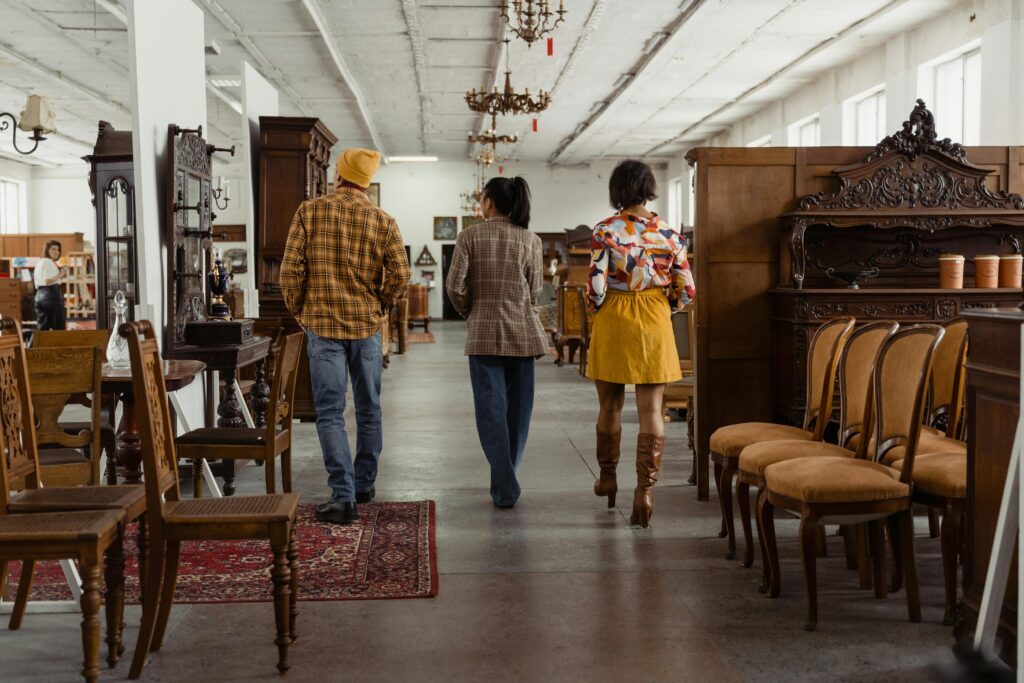
That mid-century armchair at the estate sale speaks to you—beautiful lines, solid construction, and a price that won’t break the bank. But as you examine it closer, you notice mysterious stains, a musty smell, and decades of accumulated… well, life. Vintage furniture cleaning presents a delicate balance: you want to restore beauty and freshness without destroying the character and value that drew you to the piece in the first place.
The Vintage Furniture Renaissance
Thrift store furniture and estate sale finds have never been more popular. Sustainability consciousness, unique style desires, and budget considerations drive more people toward secondhand furniture shopping. But vintage upholstery cleaning requires a completely different approach than maintaining modern pieces.
Antique furniture restoration isn’t just about cleanliness—it’s about preservation. That vintage fabric might be irreplaceable, or that aging patina might be part of the piece’s authentic charm. Aggressive cleaning can destroy decades of character in minutes.
Yet many vintage furniture enthusiasts make costly mistakes, applying modern cleaning methods to pieces that need gentler, more thoughtful approaches.
Understanding Your Vintage Find
Fabric Detective Work
Vintage upholstery spans decades of fabric technology. A 1950s piece might feature early synthetics, while a 1970s find could have wool blends with finishes that are no longer used. Antique textiles require identification before treatment.
Fabric age affects cleaning approach. Older fibers may be weakened, dyes might be unstable, and original finishes could react unpredictably to modern cleaning products.
The Patina vs. Dirt Distinction
Vintage furniture often includes patina that adds value and authenticity. The challenge is distinguishing between desirable aging and actual dirt that needs removal. Over-cleaning vintage pieces can eliminate the very qualities that make them special.
Professional antique restoration focuses on cleaning without altering the piece’s authentic appearance. The goal is freshness and hygiene, not making everything look brand new.
Common Vintage Furniture Discoveries
Mystery stains are practically guaranteed on vintage finds. Decades of use leave unknown marks that could be anything from ink to food to substances you’d rather not contemplate. Vintage fabric stains require careful assessment and gentle treatment.
Musty odors from storage, smoke residue from previous eras, and accumulated body oils from years of use create challenges that modern furniture rarely faces.
The Gentle Assessment Process
Visual Inspection
Examine vintage upholstery systematically before beginning any cleaning. Look for:
- Areas where fabric is weakened or fraying
- Color variations that might indicate dye instability
- Structural issues that cleaning moisture could worsen
- Original labels or stamps that provide fabric information
The Hidden Damage Check
Vintage furniture cleaning often reveals problems that weren’t initially visible. Check under cushions, along seams, and in crevices for structural issues that could be aggravated by moisture or cleaning chemicals.
Test Area Protocol
Always test any cleaning approach on a hidden area first. Vintage fabrics can react unpredictably, and what works on modern textiles might damage irreplaceable materials.
The All-Gone Advantage for Vintage Pieces
Gentle Chemistry for Fragile Fabrics
All-Gone’s pH-balanced, non-toxic formula provides the gentleness that vintage upholstery requires. No harsh acids that could weaken old fibers, no aggressive alkalines that might affect unstable dyes.
Professional restoration specialists choose gentle approaches over aggressive chemicals. All-Gone delivers commercial-grade cleaning without the harsh ingredients that can damage antique textiles.
Residue-Free Protection
Vintage furniture often has finishes and treatments that modern pieces lack. All-Gone’s residue-free formula won’t interact with or damage these original protective treatments while still removing dirt and stains effectively.
Step-by-Step Vintage Furniture Cleaning
Step 1: Documentation and Photography
Before cleaning vintage pieces, photograph them thoroughly. This provides a record of original condition and helps track your restoration progress.
Step 2: Gentle Debris Removal
Vacuum vintage upholstery carefully using low suction and upholstery attachments. Antique fabrics can be fragile, so avoid aggressive vacuuming that might damage weakened areas.
Pay special attention to crevices and tufting where decades of debris accumulate.
Step 3: Targeted Stain Assessment
Identify the most problematic vintage furniture stains and prioritize treatment. Start with less visible areas to test your approach before tackling prominent spots.
Step 4: The All-Gone Treatment Protocol
For vintage fabric cleaning:
- Apply All-Gone to white cloth—never directly on antique upholstery
- Work very gently with minimal pressure
- Monitor fabric response continuously
- Stop immediately if you notice any adverse effects
- Allow complete drying before assessing results
For stubborn vintage stains:
- Multiple gentle treatments work better than aggressive single attempts
- Patience is crucial—vintage stains may take time to lift
- Accept limitations—some stains may be part of the piece’s history
Step 5: Overall Freshening
Once spot cleaning is complete, consider light overall cleaning of the entire piece for consistency. Work systematically in small sections, maintaining the same gentle approach.
Common Vintage Cleaning Challenges
The Smoke Smell Situation
Vintage furniture often carries decades of smoke residue. While All-Gone helps with surface cleaning, deeply embedded odors may require professional treatment or acceptance as part of the piece’s character.
Color Variation Concerns
Cleaning vintage upholstery sometimes reveals that what appeared to be uniform color is actually varied due to uneven fading or wear. Gentle cleaning minimizes this risk, but some variation might be unavoidable.
The “Too Clean” Problem
Over-restored vintage pieces can lose their authentic appeal. The goal is cleanliness and freshness while preserving the character that makes vintage furniture special.
When to Call Professionals
High-Value Pieces
Expensive antique furniture or pieces with historical significance warrant professional vintage restoration consultation before attempting home cleaning.
Structural Concerns
If cleaning reveals structural damage or the piece seems fragile, professional assessment ensures your restoration doesn’t cause more harm than good.
Specialized Fabrics
Rare or unusual vintage textiles might require specialist knowledge beyond general antique upholstery cleaning capabilities.
Preserving Your Restored Treasure
Ongoing Maintenance
Vintage furniture care continues after initial restoration. Regular gentle vacuuming and prompt attention to new spills protects your investment in both time and money.
Environmental Considerations
Antique textiles benefit from stable environmental conditions. Avoid placing restored pieces in direct sunlight or areas with extreme temperature fluctuations.
Documentation for Value
Keep records of your vintage furniture restoration process. Documentation can add value and provides guidance for future care.
The Satisfaction of Successful Rescue
Vintage furniture restoration provides unique satisfaction—bringing beautiful pieces back to useful life while preserving their historical character. Gentle cleaning with All-Gone allows you to rescue thrift store treasures without the fear of destroying what makes them special.
Whether it’s a mid-century modern chair with mysterious stains, an antique settee that smells like storage, or a vintage sofa with decades of accumulated life, the right approach transforms forgotten pieces into cherished finds.
Sustainable furniture shopping through vintage rescue benefits both your home and the environment. With careful antique upholstery cleaning, you can enjoy unique pieces that tell stories while fitting beautifully into modern life.
Successfully rescued vintage furniture through careful cleaning? Share your before-and-after stories and help others discover the joy of giving old treasures new life!
All-Gone: Gentle enough for vintage treasures, effective enough for decades of mystery stains. Because every antique deserves a second chance to shine. One bottle, endless possibilities.